
The era of sterile minimalism and the “sad beige” aesthetic is officially sunsetting. As we look toward the horizon of 2026, a vibrant, soulful, and deeply textured trend is emerging to take its place. Searches for “Afro chic home decor” and “African boho living room” are spiking on Pinterest, signaling a massive shift in how we curate our sanctuaries.
This isn’t just a fleeting fad; it is a movement led by the most unlikely of trendsetters: Boomers and Gen X.
These generations, now entering phases of life defined by travel, storytelling, and a rejection of “fast furniture,” are fusing the relaxed, rule-breaking nature of Bohemian style with the rich, ancestral heritage of the African continent. From the bustling art scenes of Dakar to the textile markets of Lagos, the “Afro-Boho” trend is about bringing the world home.
Here is your ultimate guide to mastering the 2026 Afro-Boho look, a style that promises to bring warmth, history, and unparalleled character to your living space.
Why Now? The Gen X and Boomer Influence
Why are we seeing this trend surge for 2026? The answer lies in a collective craving for authenticity.
While younger generations often chase the “viral” micro-trends of TikTok, Gen X and Boomers are investing in legacy. They are looking for homes that feel “lived-in” and “traveled.” They want their shelves to display artifacts with stories, not just mass-produced filler items. The Afro-Boho aesthetic caters exactly to this desire. It is sophisticated yet unpretentious, worldly yet grounding. It represents a fusion of the Bohemian ideal—freedom, artistry, nature—with African design principles that emphasize craftsmanship, bold geometry, and raw materials.
The Pillars of Afro-Boho Design
To achieve this look, you don’t need to fly to Senegal (though you might want to!). You simply need to understand the four pillars that define this aesthetic.
1. The Textile Revolution: Mudcloth, Kente, and Adire
If there is one defining feature of the Afro-Boho living room, it is the fearless use of textiles. In 2026, we are moving beyond simple cotton throws.
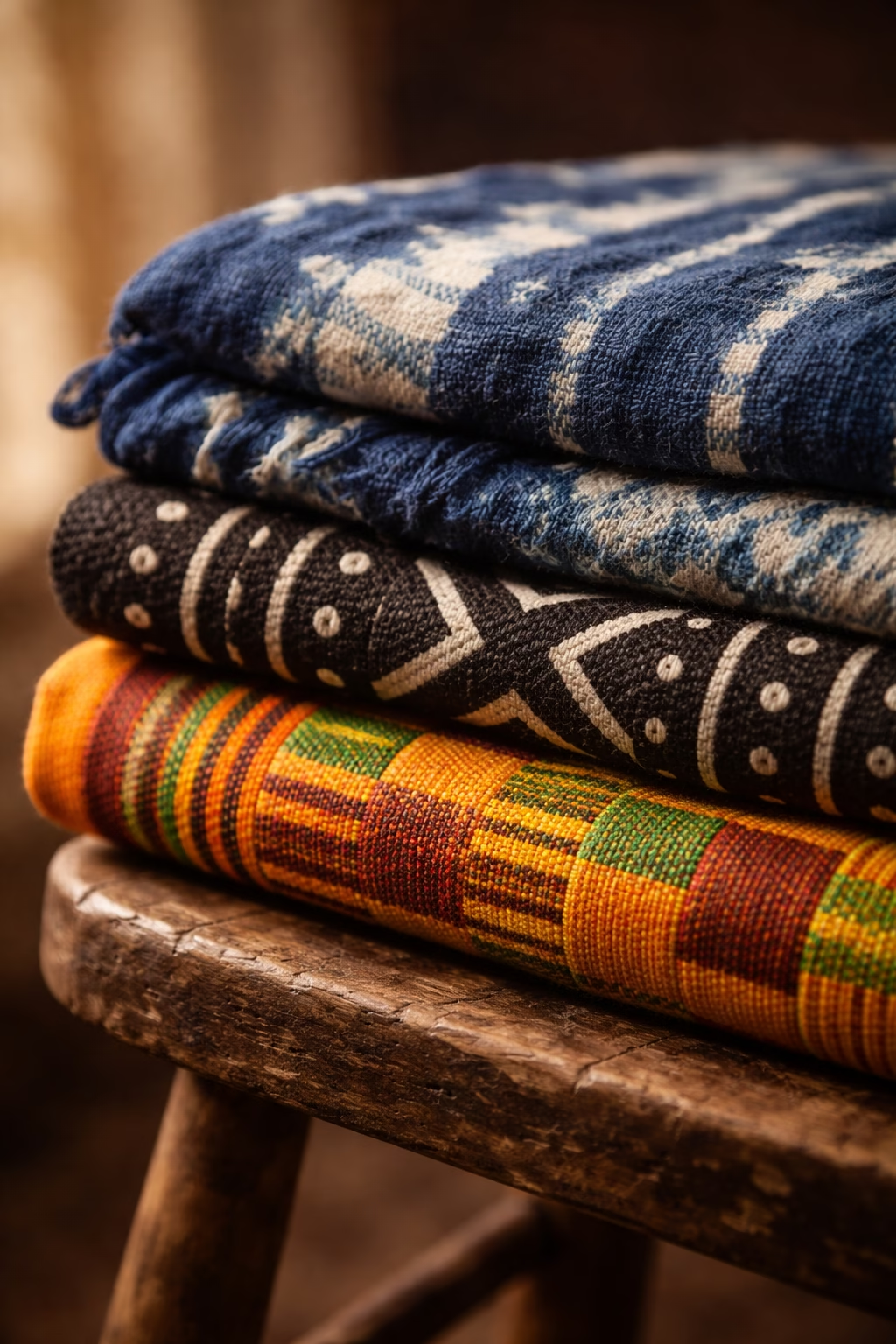
Bogolanfini (Mudcloth): Originating from Mali, this hand-woven cotton fabric is dyed with fermented mud. Its geometric black-and-white or rust-colored patterns are iconic. In an Afro-Boho home, mudcloth is used for heavy upholstery, throw pillows, or even framed as wall art.
Kente: Known as the “cloth of kings” from Ghana, Kente brings the “chic” to Afro-Chic. Expect to see strips of this vibrant, multi-colored silk and cotton fabric used as table runners or accent cushions to inject energy into neutral spaces.
Adire: This indigo-dyed cloth from the Yoruba people of Nigeria offers deep, mesmerizing blues that pair perfectly with dark wood furniture, offering a cooling counterpoint to the generally warm Afro-Boho palette.
2. Walls That Talk: Juju Hats and Basketry
Forget standard gallery walls with printed quotes. The Afro-Boho wall is a textural masterpiece.
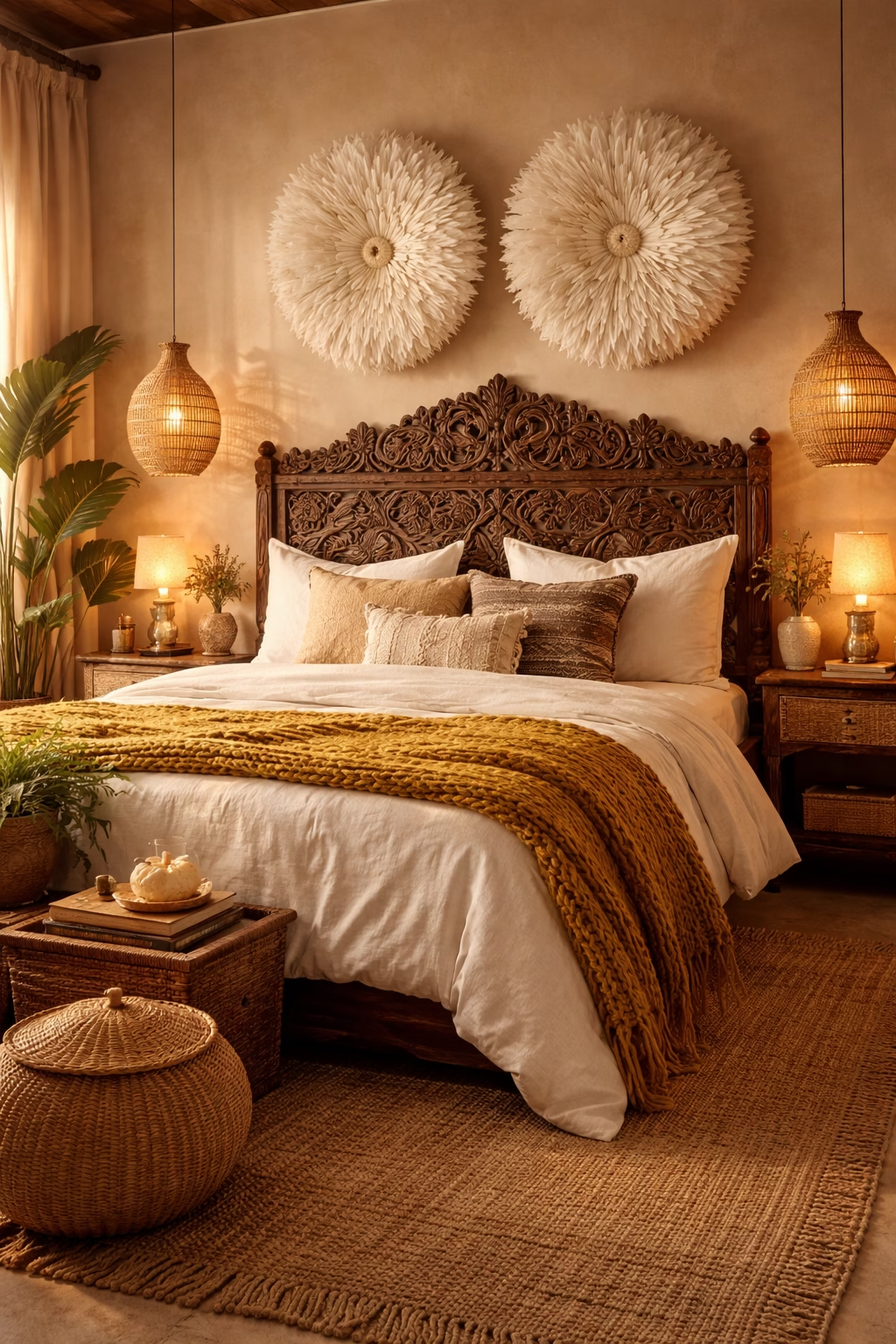
The Cameroonian Juju Hat (Tyn) is the crown jewel of this style. Originally worn by royal dancers and dignitaries, these circular feather headdresses explode with texture and volume. Hanging a large white or rust-colored Juju hat above a bed or sofa instantly softens the architecture of a room.
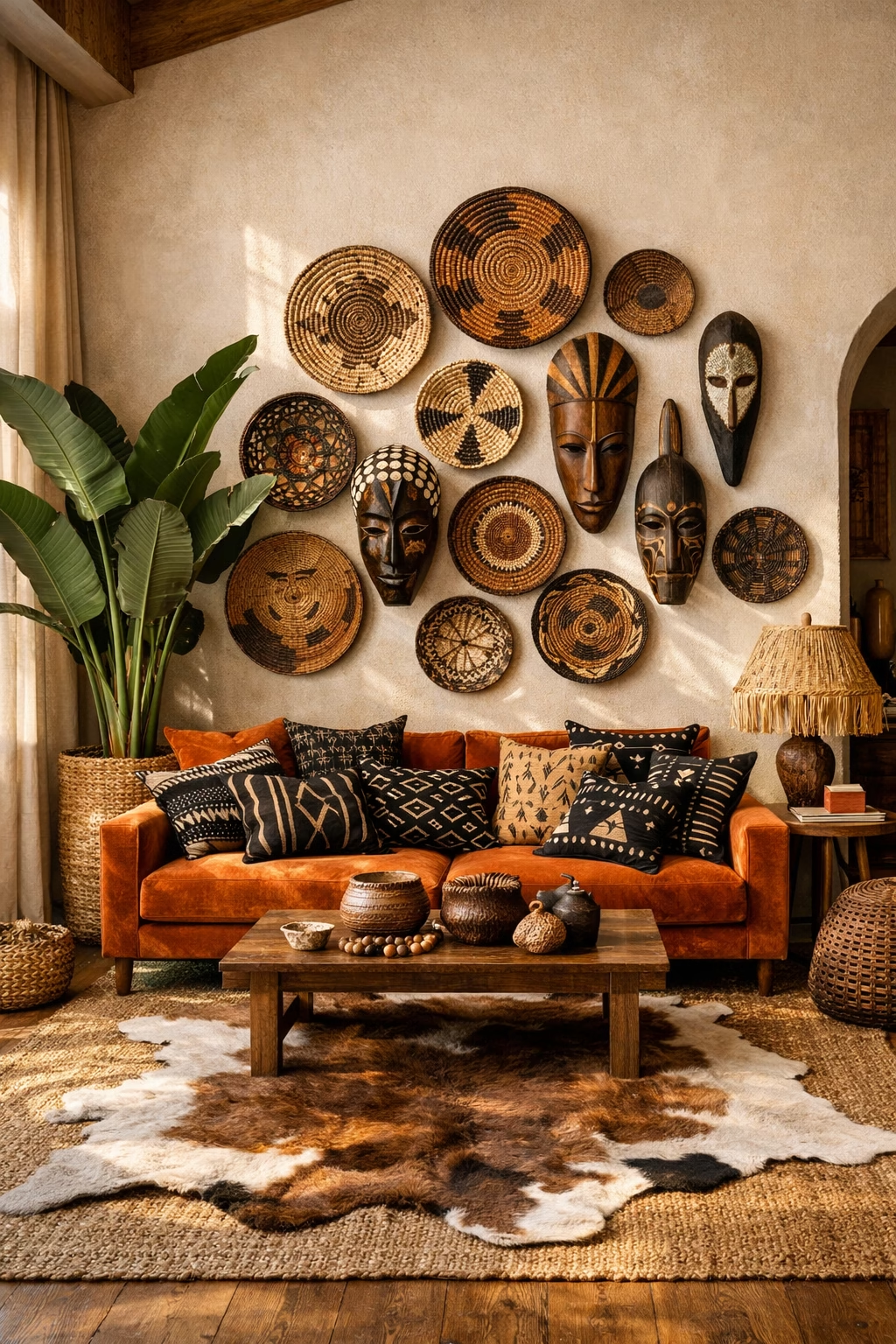
Complementing these are Binga Baskets from Zimbabwe or Tonga Baskets from Zambia. Woven from palm leaves and vines, these baskets feature subtle geometric patterns. The trend for 2026 involves clustering them in odd numbers (groups of 3, 5, or 7) to create an organic, flowing installation that replaces traditional paintings.
3. Materials: Raw, Rough, and Refined
The Afro-Boho aesthetic creates a tactile experience. When you walk into the room, you should want to touch everything.
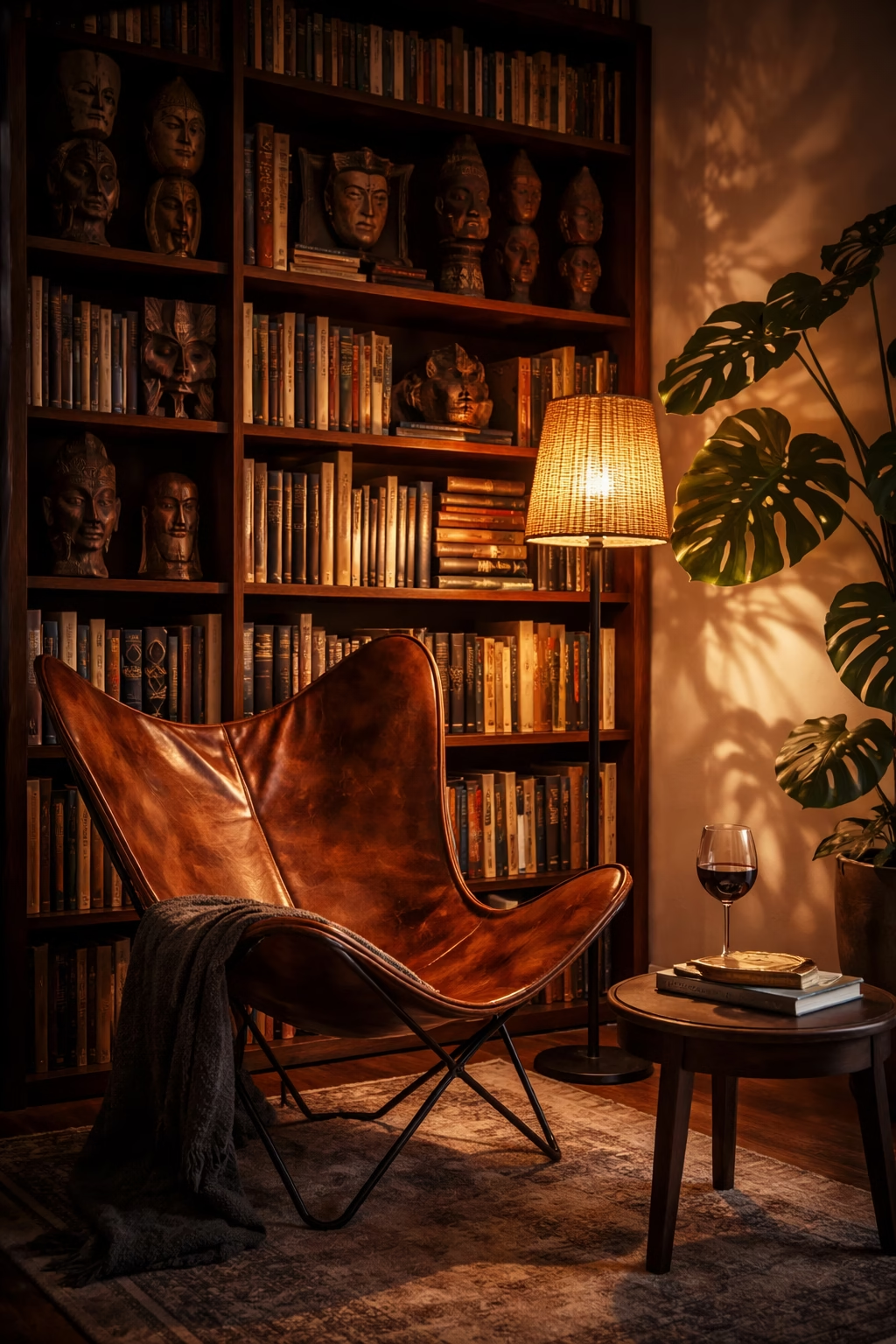
Dark Woods: We are seeing a move away from light Scandinavian pine toward richer, darker woods like mahogany, teak, and ebony finishes. Carved wooden stools (Senufo stools) are essential sculptural side tables.
Natural Fibers: Jute, sisal, and seagrass rugs provide the neutral foundation. They ground the room, allowing the colorful textiles to pop without overwhelming the eye.
Leather: Aged, cognac-colored leather (think butterfly chairs or ottomans) adds a layer of masculine sophistication that balances the softness of the textiles.
4. The Color Palette: Sunset to Savanna
The 2026 palette is drawn directly from the African landscape. It is warm, enveloping, and unapologetically bold.
Base Tones: Terracotta, Ochre, Sand, Warm Beige, and Deep Espresso.
Accent Tones: Burnt Orange, Mustard Yellow, Indigo Blue, and Forest Green.
The Metallic Touch: Antique brass and copper accents (in lamps or bowls) reflect the glow of the warm color palette, mimicking the African sun.
Room-by-Room: Bringing the Look Home
The Living Room: A Social Sanctuary
The living room should feel like a “gathering circle.” Ditch the TV-centric layout for a conversation-focused arrangement. Use a low-profile sofa loaded with mixed-pattern pillows (combine a striped mudcloth with a solid velvet). Layer a faux zebra or cowhide rug over a large jute area rug to add depth. Introduce a large potted Strelitzia nicolai (Giant White Bird of Paradise) or a Ficus Lyrata to bring the lushness of the tropics indoors.
The Dining Room: Feasts and Fusion
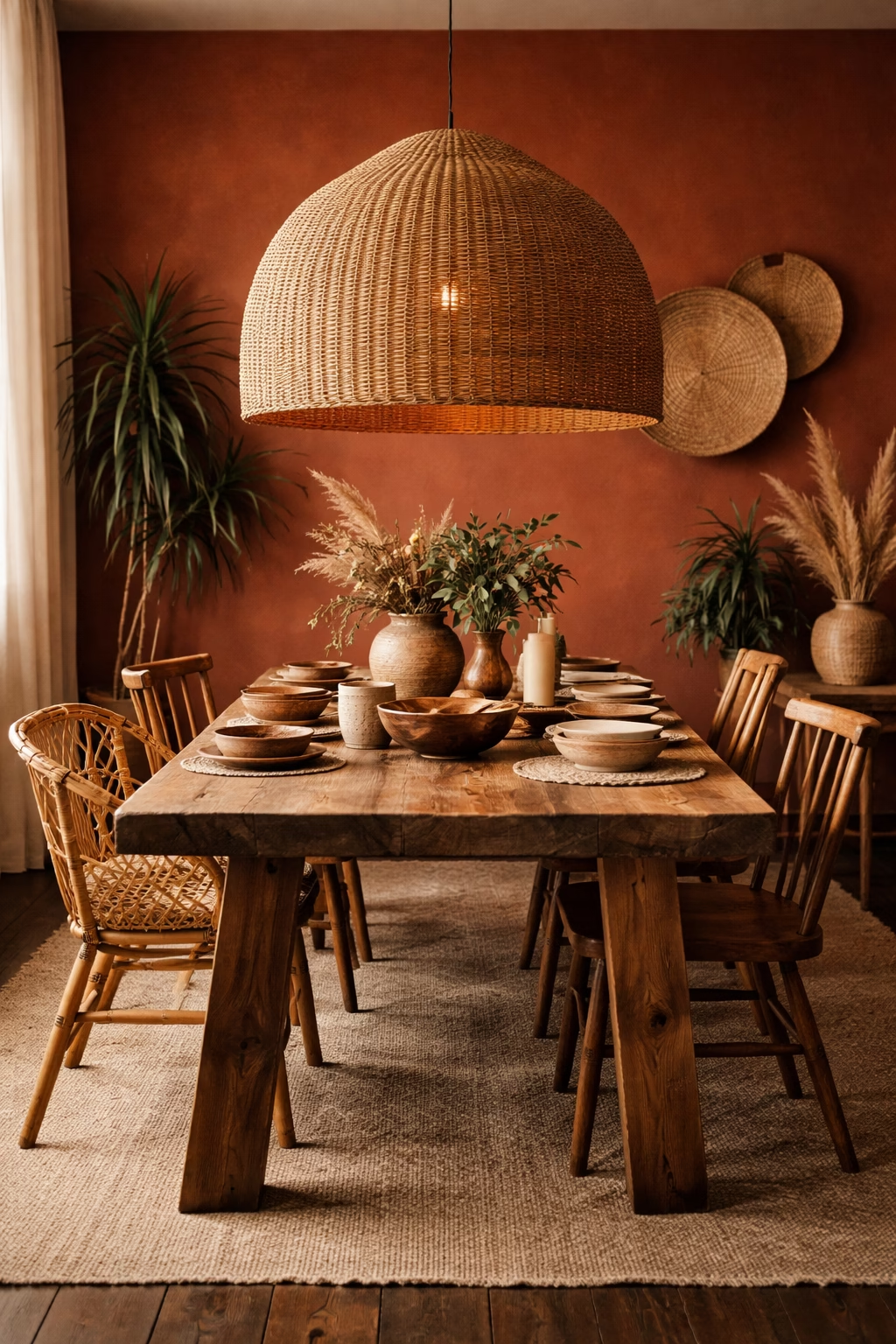
In the dining room, focus on “wabi-sabi” elements—beauty in imperfection. Use a solid wood dining table that shows its grain and knots. Instead of matching chairs, mix vintage wooden chairs with woven rattan seats. Dress the table with hand-carved wooden bowls, ceramic earthenware, and linens dyed in natural hues. Lighting is key here: a massive, woven basket pendant light hanging low over the table creates an intimate, bistro-like vibe.
The Bedroom: The Serene Escape
For the bedroom, dial back the patterns slightly to create calm. Use a carved wooden headboard or hang a large tapestry behind the bed. Bedding should be linen in earth tones (rust, olive, or cream). A Moroccan Beni Ourain rug (plush wool with geometric lines) underfoot ensures you wake up to softness. Use amber-glass lighting on bedside tables to maintain a warm, candle-lit glow.
The Role of Sustainability and Artistry
Perhaps the most important aspect of the 2026 Afro-Boho trend is its inherent sustainability. This style rejects mass production. It encourages sourcing vintage pieces, supporting fair-trade artisans, and buying items that last a lifetime.
When you buy a hand-woven basket or a carved mask, you are preserving a craft technique passed down through generations. For the conscious consumer of 2026, the story behind the object is just as important as the object itself.
Conclusion: A Global Outlook
“Decor going to Dakar and beyond” is more than a catchy phrase; it’s a mindset. It’s about opening our homes to global influences, embracing color after years of greige, and creating spaces that feel human, warm, and spirited. Whether you go all-in with a jungle of plants and bold patterns, or simply add a few woven textures to your minimalist space, the Afro-Boho trend invites you to travel without leaving your living room.